How Cybersecurity Improves Businesses
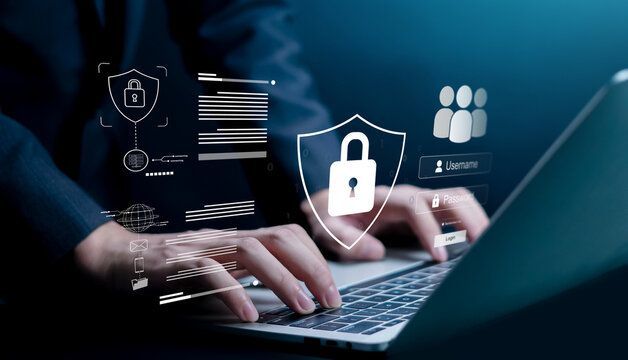
What is Cybersecurity?
Cybersecurity is the practice of protecting computers, networks or digital data from unauthorized access or attacks.
Three important aspects of cybersecurity include:
· Prevention - Implementing strong security measures to prevent unauthorized access.
· Detection - Identifying anything that could be perceived as a potential threat in a system.
· Response - Taking necessary actions to minimize the impact of a security incident.
Critical Parts of a Cybersecurity Strategy
A strong cybersecurity strategy is a necessity for businesses and organizations to protect their digital assets, retain the trust of customers, and continue to follow regulations. Some of the basic components that a strong cybersecurity strategy has include:
· Access Controls – Set up strict access controls to limit access to sensitive data. Set up access controls that are role-based and multi-factor authentication to minimize risks of unauthorized access.
· Risk Assessment – Understanding your risks is the foundation of a strong strategy. Conduct an in-depth risk assessment to find potential threats, vulnerability, and impact on your organization.
· Security Policies and Procedures – Develop comprehensive security policies and procedures that clearly outline the responsibilities of employees, the acceptable use of technology, and the necessary steps to take in the case of a security incident. These policies should be regularly reviewed to show changes in the threat landscape.
· Network and Endpoint Security – Implement strong security measures, including firewalls, intrusion detection and prevention systems, anti-malware software, and secure Wi-Fi access. This should also be regularly updated to address any new vulnerabilities.
· Data Encryption – Encrypt sensitive data at rest and in transit to protect it from potential breaches. Encryption adds another layer to security, making it more challenging for unauthorized people to access sensitive information.
· Incident Response Plan – Develop a detailed incident response plan that outlines organization’s steps in the case of a security breach.
· Third-Party Risk Management – Assess the cybersecurity posture of your third-party vendors and partners, as it’s possible for them to reveal to be a vulnerability to your security.
Instilling these components into your cybersecurity strategy will better equip your organization for potential attacks while protecting your digital assets and trust with customers.
The Importance of Cybersecurity in Business
Today, we live in a digital age with an increasing reliance on technology and the internet. As a result, cyber threats are becoming more frequent, posing a significant risk to all kinds of businesses. Some of the main reasons why cybersecurity is essential for organizations include:
· Protecting Sensitive Data – One of the main reasons organizations need to invest in cybersecurity. This sensitive data includes financial records and customer information.
· Maintaining Business Operations – Making sure your company has a strong cybersecurity strategy helps keep the continuity of your operations and mitigates the potential for interruptions.
· Regulatory Compliance – Investing in cybersecurity helps organizations stay compliant with these regulations and avoids the risk of any potential legal issues.
· Building Trust with Customers – Because customers are becoming more aware of the importance of protecting their data, committing to cybersecurity can lead to increased loyalty and long-term trust from them.
Cyberattacks
Without cybersecurity, you become much more vulnerable to cyberattacks. Cyber threats pose a significant risk to organizations of all sizes. The types of cyber threats include:
· Malware: Short for “Malicious software” – These are programs that can infiltrate, damage, or disrupt computer systems, steal sensitive data, or allow hackers to gain unauthorized access to your business.
· Ransomware – This is a specific type of malware that encrypts a victim’s data and making it impossible to access until a ransom is paid.
· Phishing – This is an attack where cyber criminals send fraudulent emails or text messages to trick users into revealing sensitive information such as login credentials or personal data. The information is then normally used to commit identity fraud.
Any of these cause significant consequences for businesses which may include:
· Financial Losses – Immediate costs and long-term expenses from to try and combat a cyberattack can be devastating for businesses.
· Reputation Damage – This can result in lost business and difficulty in attracting new customers or investments.
· Operational Disruptions – These disruptions can lead to a company’s hinderance to deliver products and services. This could potentially lead to contractual penalties.
Reliable Source
Our very own chamber member, Invicta Technology, is a local and reliable source for cybersecurity. Invicta Technology is a business consulting firm located at 7316 Old Clarksville Pike, Joelton, Tennessee. Its primary services include Business Consulting and Support, Network Support and Virus Removal Services, and Computer Services. They offer FREE cybersecurity assessment for chamber members, with the overall cost value being around $997.00. Contact information is listed here: Joe Atnip, (629)-777-6989.
(NU Editorial Contributers, 2025, February 13, URL: What is Cybersecurity and Its Importance to Business | Cybersecurity in Business | National University )